
The TACO Trade and Global Chaos: What the US-Iran Conflict Actually Means for Australia
Advisory & Growth
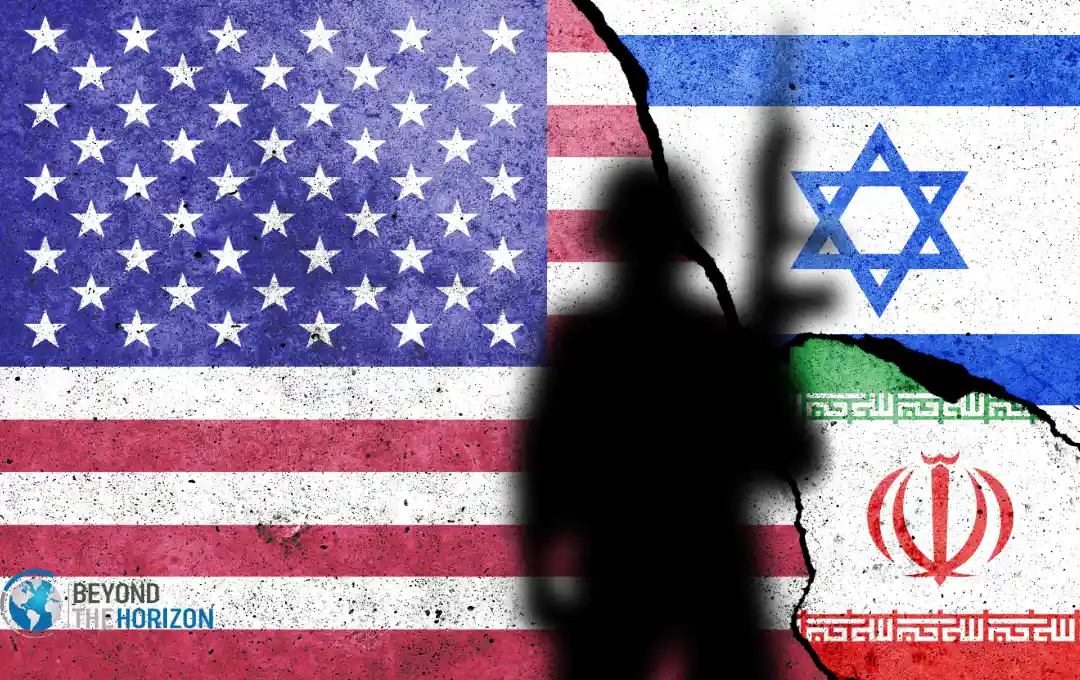
To understand the current state of the global economy, you have to look at the surreal sequence of events that defined the start of 2026. The international media landscape was almost entirely consumed by the unsealing of the Epstein files. It was a scandal that threatened to dominate the news cycle for months. Then, almost overnight, the global conversation violently pivoted. The United States launched a military conflict in Iran. Whether viewed by historians as a convenient political distraction or simply calculated geopolitical timing, the reality is that Australian households are now paying the daily price for decisions made in Washington.
Between the current fuel crisis and the constant barrage of military headlines, it is incredibly difficult to separate political theater from economic reality. But for Australians trying to pay off mortgages and keep local businesses afloat, the geopolitical chessboard is no longer just background noise. The decisions currently being made in Washington, Tehran, and Jerusalem are directly dictating the cost of living in the Sutherland Shire.
The Venezuelan Blueprint and Israel's Influence
To understand the administration's foreign policy and its underlying intentions in the Middle East, you only need to look at what happened recently in South America. The White House announced a historic intervention in Venezuela. The official press releases and political speeches focused entirely on targeting a dictatorship and restoring regional stability. The financial reality was entirely different. The United States urgently needed heavy crude oil to stabilize its own domestic energy prices. The result was a calculated move to secure a massive foreign energy asset while maintaining total control over the revenue. The political narrative simply served as cover for an aggressive energy acquisition.
That exact same playbook of utilizing military leverage for allied gain is currently unfolding in Iran, but this time it is intrinsically linked to Israel. This is a matter of public record. Israeli Prime Minister Benjamin Netanyahu openly confirmed that the US administration reports to him daily with detailed updates on the Iran conflict. The United States is effectively acting as the military enforcement arm for Israeli regional policy.
However, the global financial sector has noticed a distinct and erratic pattern in how this war is being waged. Wall Street has coined a new acronym for this specific brand of geopolitical whiplash. They call it the TACO trade, which stands for "Trump Always Chickens Out." It describes a predictable cycle where the administration issues apocalyptic military threats, claims the enemy has completely surrendered or lost its weapons, and then abruptly pivots to a fragile ceasefire. Both sides claim victory on social media, but the markets simply see a chaotic retreat that fails to resolve the underlying crisis.
The Hormuz Blockade and the Global Rebellion
This brings us to today. The United States military has officially initiated a naval blockade on the Strait of Hormuz, specifically targeting maritime traffic entering or exiting Iranian ports. This is a massive escalation, yet the global response highlights a severe shift in international soft power. The United States is standing completely alone.
NATO allies, including Britain and France, have flatly refused to join the blockade. They recognize that choking off a waterway responsible for one-fifth of the world's oil is economic suicide. The isolation of the US is so severe that Japan is currently preparing to host thirty NATO envoys in Tokyo. This unprecedented meeting has one primary agenda: figuring out how allied nations can manage an increasingly erratic US administration that is actively threatening and rattling its oldest partners.
The blockade also creates an incredibly dangerous flashpoint for global superpowers. With the US Navy restricting Iranian port access, the immediate question is what happens when a Chinese or Russian tanker attempts to break the line. China relies heavily on Iranian crude to power its economy. Any American attempt to physically board or turn back a Chinese vessel will instantly escalate a regional dispute into a global superpower standoff. The TACO trade theory suggests the US will back down before firing on a Russian or Chinese ship, but playing a game of naval chicken leaves zero room for miscalculation.
Australia’s Pivot: The Singapore Safety Net
For decades, Australia's default foreign policy has been absolute reliance on the United States. The events of this week prove that strategy is no longer viable. The US is acting as an unpredictable variable, publicly criticizing allies like Australia and Japan for not blindly supporting unilateral wars.
Fortunately, Canberra is finally showing signs of an independent pivot. Just days ago, Prime Minister Anthony Albanese signed a critical fuel refining and supply agreement with Singaporean Prime Minister Lawrence Wong. With the Strait of Hormuz choked by conflict, Australia recognized the immediate threat of domestic petrol stations running dry. The new agreement guarantees that Singapore will not restrict its export of refined petrol, diesel, and jet fuel to Australia, even as global supplies tighten. It is a pragmatic, necessary step that proves Australia must secure its own regional partnerships rather than waiting for Washington to fix a crisis it created.
The 2027 and 2028 Financial Outlook
What does this geopolitical chaos mean for a small business or a family in Miranda? It means the era of cheap logistics and reliable shipping is effectively over. The global freight industry is already pricing permanent risk premiums into their shipping routes. Over the next three to six months, expect extreme volatility at the petrol pump. Every time a new threat is posted online or a naval standoff occurs, global crude prices will violently spike, and local petrol stations will pass that exact cost directly to you.
Looking ahead to 2027 and 2028, this sustained imported inflation will heavily tie the hands of the Reserve Bank of Australia. The RBA cannot easily cut interest rates when the basic cost of moving goods around the country continues to surge. Mortgage holders need to prepare for a reality where interest rates stay higher for much longer than initially predicted.
You cannot control the naval blockades in the Middle East or the shifting alliances in Tokyo. You can only control how your own finances are structured to weather the incoming storm. With the 2026 End of Financial Year approaching fast, now is the exact time to review your business overheads, lock in your legal tax deductions, and safeguard your cash flow against sustained inflation. If you are sitting on an unlodged 2025 tax return or need strategic accounting advice for the turbulent year ahead, reach out to the team at Trident Accounting. We deal in hard numbers and local realities, not political theater.