
Australians Are in Debt Over Cars They Can’t Afford — Here’s Why That Matters
Local & Community
Cost of Living
Opinion
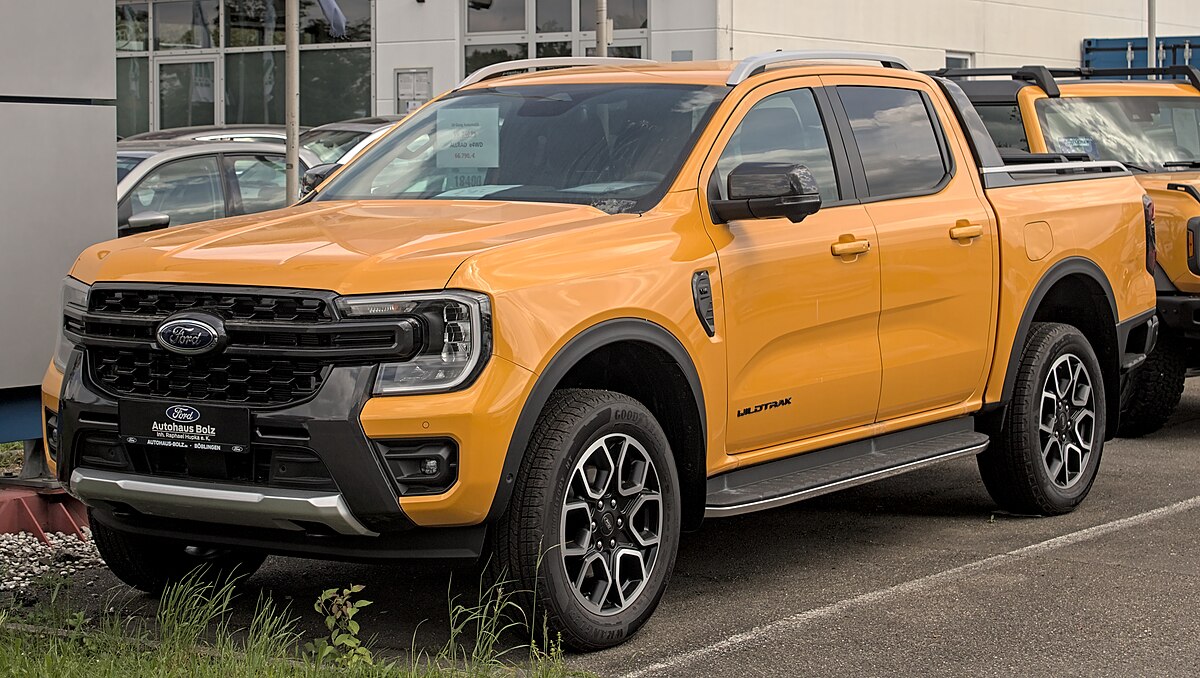
The debt load hidden in our driveways
In Australia today, the humble car, once a simple way to get from A to B, has become a symbol of financial strain. While households are tightening their belts in most areas, plenty are still driving away from dealerships with fresh finance contracts.
The numbers tell the story. The Australian Bureau of Statistics reported that average household debt climbed to about $261,000 in 2021–22, a 7.3 per cent increase in just a year. Total household debt now sits at more than 110 per cent of our national GDP, one of the highest rates in the developed world.
When you zoom in on car finance, the picture doesn’t get prettier. The average car loan in Australia is now around $42,000, and in just one recent quarter, Australians collectively signed up for nearly $5 billion worth of new vehicle loans. That’s a lot of money tied to assets that lose value the moment you leave the dealership.
So when someone says, “I’ll save later,” it’s understandable, but increasingly unrealistic. Many Australians are trading future financial security for a sense of mobility today.
The nice car trap goes deeper
Car debt doesn’t just appear out of nowhere. It’s the result of several forces working together — emotional, cultural, and financial.
Depreciation versus long loans
New cars cost more than ever, and the average finance term has stretched to five, six, even seven years. The problem is, cars don’t hold their value anywhere near that long. Many people are still making payments on vehicles that are worth far less than their loan balance.
Running costs that sneak up
Fuel, insurance, registration, servicing — they all add up. A car might seem affordable on paper, but once you include the real-world costs, it often eats a much bigger slice of your budget. Some surveys show drivers spending over $500 a year on insurance for cars worth only a few thousand dollars, effectively re-buying their vehicle every few years in premiums alone.
Culture and status pressures
Then there’s social pressure. A shiny car still signals success to a lot of people. But for many, that “success” is built on monthly repayments and compound interest. Lifestyle creep, upgrading because we think we’re supposed to, quietly pulls people deeper into debt.
Easy credit and dealer finance
Dealers have made financing painless. Low deposits, instant approvals, and balloon payments make new cars look cheap. But they’re not. ASIC recently began reviewing the car finance sector after identifying what it called “concerning trends” in how loans are being sold, particularly to younger buyers and people in regional areas. When regulators start taking notice, it usually means too many borrowers are struggling to stay afloat.
All of these factors combine into a strange paradox: the numbers don’t make sense, but the feeling of progress does. Buying a new car feels good, until the repayments arrive.
The wider cost: it’s not just about you
This isn’t only a personal finance issue; it’s an economic one.
When car repayments eat up hundreds of dollars each month, something else in the household budget has to give — whether that’s savings, super contributions, or the next family trip. Debt limits flexibility.
Households with high levels of car or personal loan debt are also more vulnerable to shocks. A job loss, a medical bill, or even a modest interest rate rise can push them from comfortable to struggling in a matter of months.
ASIC’s own data shows nearly half of Australians with debt have struggled to make repayments in the past year. Yet most didn’t seek help — instead, they sold belongings or picked up extra shifts to keep up appearances. That’s not financial stability; that’s survival mode.
And the ripple effects don’t stop there. When people spend more of their income servicing debt, less flows into the broader economy. Small businesses, tradies, and local cafés all feel the slowdown. The Reserve Bank has warned that Australia’s household debt, much of it linked to car and personal loans, is making the economy more fragile.
The irony is hard to miss: the car, long a symbol of freedom, has quietly become a financial anchor.
What the data really shows
A few figures put things in perspective.
$261,000 – the average household debt in Australia in 2022
$42,000 – the typical balance of a car loan
$4.9 billion – the value of new car loan commitments in just one quarter
47 per cent – the proportion of Australians with debt who’ve struggled to make repayments in the last 12 months
These aren’t fringe cases. They point to a national habit: Australians are borrowing heavily for cars that lose value quickly, often at the expense of their long-term financial wellbeing.
Rethinking affordable car ownership
If any of this sounds familiar, the good news is you’re not stuck. There are ways to keep mobility without losing money hand over fist.
Keep loans short
If a car loan stretches beyond three years, the interest starts to eat away at your savings. Lower monthly repayments might look manageable, but over time they inflate the true cost of ownership.
Know the real cost
Tally up everything — fuel, maintenance, rego, tyres, insurance, interest. If the total is chewing through more than about 15 per cent of your income, the car probably doesn’t fit your budget.
Break the upgrade cycle
If your current car is safe and reliable, resist the urge to “reward yourself” with a new model. That new-car smell is just expensive air freshener. Keep what you’ve got and redirect the savings into your emergency fund or super.
Prioritise ownership over image
A modest car that’s yours outright beats an impressive one that technically belongs to the bank. Financial freedom doesn’t always look glamorous, but it feels better than constant repayments.
The smarter road forward
No one’s saying Australians should stop driving. Cars are part of life here, especially outside major cities. But we need to be honest about how quietly they’ve become a source of debt stress.
When car loans start taking up the same portion of income as mortgages used to, it’s not just a lifestyle choice anymore — it’s a systemic problem. ASIC Commissioner Alan Kirkland recently noted it was “deeply worrying that so many Australians would rather sell possessions or take a second job than seek financial hardship assistance.” That’s not resilience. That’s exhaustion.
Economist John Daley once said, “Australians don’t think they’re rich, but they live like they are.” Cars are a perfect example — a blend of pride, practicality, and denial.
Breaking that pattern doesn’t require sacrifice, just honesty. Ask yourself: how much of your car is freedom, and how much is financing?
At Trident Accounting, we see this play out all the time. Clients who downsize their car debt often notice immediate relief — lower stress, more savings, and a sense of control that no luxury vehicle can buy. Debt is loud; stability is quiet.
The quiet luxury of being debt free
In 2025, the smartest status symbol might not be a brand-new car in the driveway. It might be the absence of a repayment notice in the letterbox.
Mobility isn’t the problem. Debt is. When you can look at your car and say, “I own this,” instead of “This owns me,” you’re already in a far better place financially — and mentally.
Written by Aidan Walmsley
Trident Accounting